



Chastity Explained: Belts, Cages and Why People Are Into It

Maybe it’s been sitting in the back of your mind for months. Maybe your partner brought it up over a glass of wine and asked, a little nervously, whether you’d hold the key. Either way, you’ve ended up here.
Good. Chastity is one of the things people ask us about most in store, and it’s far more ordinary than its reputation suggests. Below, we’ll explain what a chastity cage actually is, how it differs from a chastity belt, why so many people find it exciting, and how to try it safely if you’re curious.
What is chastity play?
Chastity play is about handing over control of your pleasure to someone else. One person (the wearer) agrees not to touch themselves or orgasm without permission. The other (the keyholder) decides when, and if, that permission comes. You’ll sometimes hear this called orgasm denial.
The device is a tool for that dynamic, not the whole point of it. Plenty of couples play with chastity using nothing more than a promise and a few rules. A lock simply makes the promise physical, which is a big part of the thrill.
It can be as light or as serious as you like. Some people lock up for an evening of teasing, others make it a weekend game, and a smaller group treat it as a long-term part of their relationship. None of these is “doing it properly” more than the others.

Chastity cage vs chastity belt: what’s the difference?
A chastity cage covers the penis with a small tube or cage, held in place by a ring that sits behind the testicles. A chastity belt uses a waistband with a locking front shield, and belts are made for people with vulvas as well as people with penises.
| Chastity cage | Chastity belt | |
|---|---|---|
| Who it’s for | People with penises | Anyone, depending on design |
| How it stays on | Base ring behind the testicles | Waistband and crotch shield |
| Comfort | Light, especially plastic styles | Bulkier, needs careful fitting |
| Discretion | Easy to hide under clothes | Harder to hide |
| Price | From around £20 | Usually more than a cage |
Male chastity is by far the most popular form, which is why there are so many more cages than belts on the market. If you’re looking for a chastity cage for beginners, a cage is also the easier starting point. It’s more affordable and lighter, and you can get it on and off in seconds once you’ve had a bit of practice.
Female chastity is very much a thing too. Belts with a solid front shield are the most common option, and lots of people with vulvas play with chastity using rules about touching and orgasm instead of a device.
So that’s the how. The more interesting question is the why.
Why are people into chastity?

There’s no single answer, and there’s definitely no wrong one. These are the reasons we hear most often.
- Anticipation
- Wanting something you can’t have yet is powerful. Days, or even just hours, of build-up can make the eventual release far more intense than usual.
- Trust
- Giving someone the key to your pleasure is an intimate act. For many couples, that trust spills over into the rest of the relationship and brings them closer.
- Letting go of control
- It sounds contradictory, but being locked can feel freeing. You don’t have to decide anything, because your keyholder has it covered.
- Focusing on your partner
- When your own orgasm is off the table, attention naturally shifts to theirs. Plenty of keyholders say this is their favourite part.
- A constant connection
- Wearing a cage through an ordinary working day is a quiet, private reminder of someone, even when you’re apart.
- Identity and community
- For some gay and bisexual men in particular, chastity is part of who they are and how they meet people, not just something that happens during sex. October has even become “Locktober”, a month-long challenge to stay locked for all 31 days.
Choosing your first chastity cage
A bit of knowledge here saves you money and discomfort. There are three things to think about.
- Material
- Plastic and polycarbonate cages are light and affordable, which makes them ideal for beginners. Stainless steel is heavier and more secure, so it suits people who already know they enjoy longer wear. Silicone is the softest option, though it’s also the easiest to slip out of.
- Size
- This matters more than anything else. The base ring needs to be snug enough to stay put but never so tight that it pinches or restricts circulation. The cage itself should be roughly your soft length, or slightly shorter. Look for a kit with several ring sizes so you can find your fit.
- Lock
- Most cages use a small padlock or an integrated lock. Some people prefer numbered plastic tags, which can be snapped off in an emergency but show whether the cage has been opened.
“The most common mistake we see is people buying a cage that’s too tight because they assume smaller means more secure. A good fit should be snug but comfortable. If the ring leaves marks or your skin changes colour, go up a size.”
Jane, Pulse & Cocktails
If you’d rather see the options in person, pop into one of our 17 stores. Our team can show you the difference between plastic and steel, talk you through sizing discreetly, and won’t bat an eyelid. You can also browse our chastity devices online.
How to wear a chastity cage safely
Chastity is very safe when you respect your body’s limits. These are the rules we’d always recommend.
- Start small
- Wear your cage for an hour or two at first, then build up gradually over days and weeks.
- Take it off at night to begin with
- Erections while you sleep are completely normal, and they can be uncomfortable in a cage until you’re used to it.
- Use lube
- A little water-based lubricant makes putting your cage on much easier and protects the skin.
- Keep it clean
- Rinse the cage and wash the area every day with warm water and a mild, unscented soap. Dry everything thoroughly.
- Always have a backup
- Keep a spare key somewhere safe, or use breakable tags. Losing the only key is not the adventure anyone wants.
- Know the red flags
- Take the cage off straight away if you notice numbness, tingling, swelling, pain, or skin that turns blue, purple, or very pale. If symptoms don’t settle quickly, or you can’t get the device off, speak to a GP or call NHS 111. In an emergency, go to A&E.
Frequently asked questions:
Are chastity cages safe?
Yes, when they fit properly and you build up wear time gradually. Choose the right size, keep the cage clean, take it off at night at first, and remove it immediately if you notice numbness, swelling, or colour changes.
How long can you wear a chastity cage?
Beginners should start with an hour or two and build up slowly. Experienced wearers often keep a well-fitted chastity cage on for days at a time, removing it regularly for cleaning. There’s no prize for rushing.
Can you pee in a chastity cage?
Yes. Most cages have an opening at the tip. Many wearers find it easier to sit down to wee, and it’s worth rinsing and drying the cage afterwards.
Is chastity only for men?
Not at all. Chastity belts are made for people with vulvas too, and many people play with chastity using rules and promises rather than any device.
What’s a keyholder?
The keyholder is the person who holds the key to the chastity device and decides when the wearer is unlocked. It’s usually a partner, and it’s a role built entirely on trust.
Recommended products:
 Silicone Male Chastity KitSoft, body-safe silicone with three ring sizes to find your fit, plus a padlock and numbered tags.£69.95Shop now
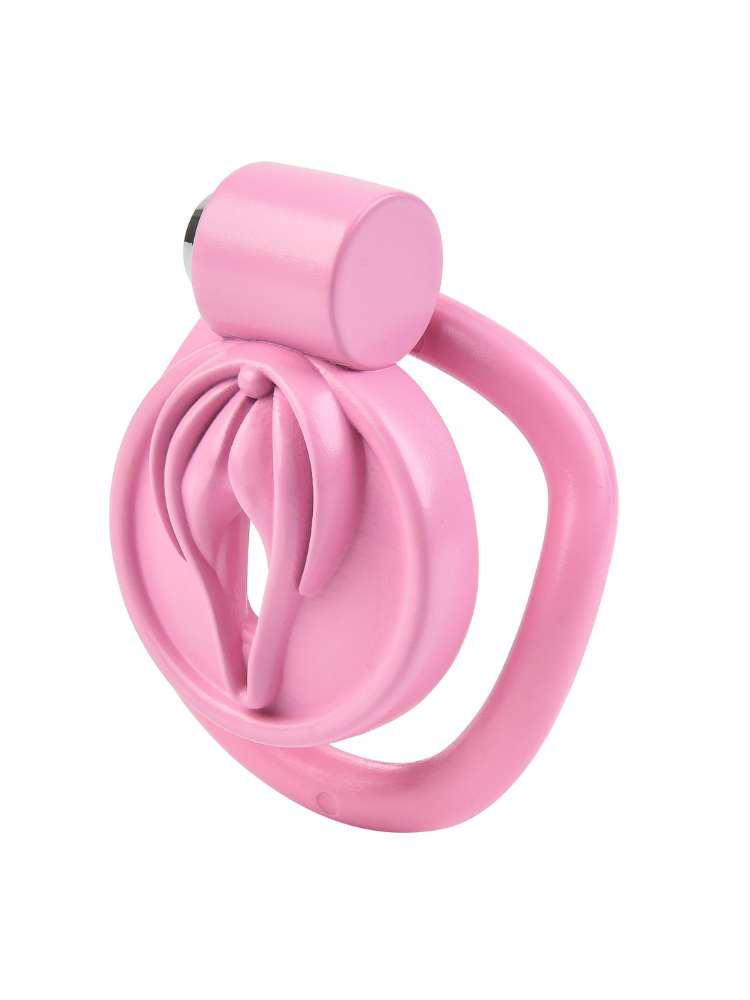 Pink Sissy Clitty Cock CageA lightweight pink plastic cage with a flat, sculpted front for a smooth, discreet shape.£44.95Shop now
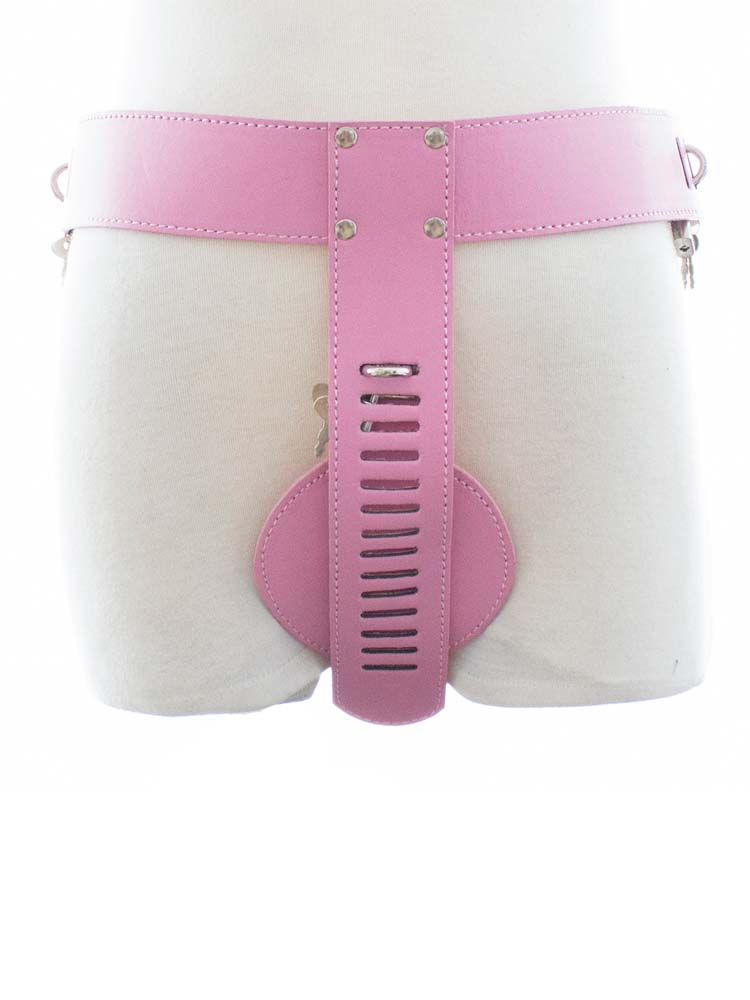 Deluxe Pink Female Chastity BeltAn adjustable pink belt in body-safe metal and faux leather, secured with four padlocks.£29.95Shop now
Ready to try chastity?
Chastity isn’t really about what you’re missing. For the people who love it, it’s about what you gain: anticipation, trust, and a very particular kind of closeness.
Picking your first cage? Our chastity devices are a good place to start. If you’d rather talk it through first, pop into your nearest Pulse & Cocktails store. The key, quite literally, is in your hands.